How to Design a Wheelchair Accessible Bathroom | Expert Guide
How to Design a Wheelchair Accessible Bathroom that Combines Comfort and Style
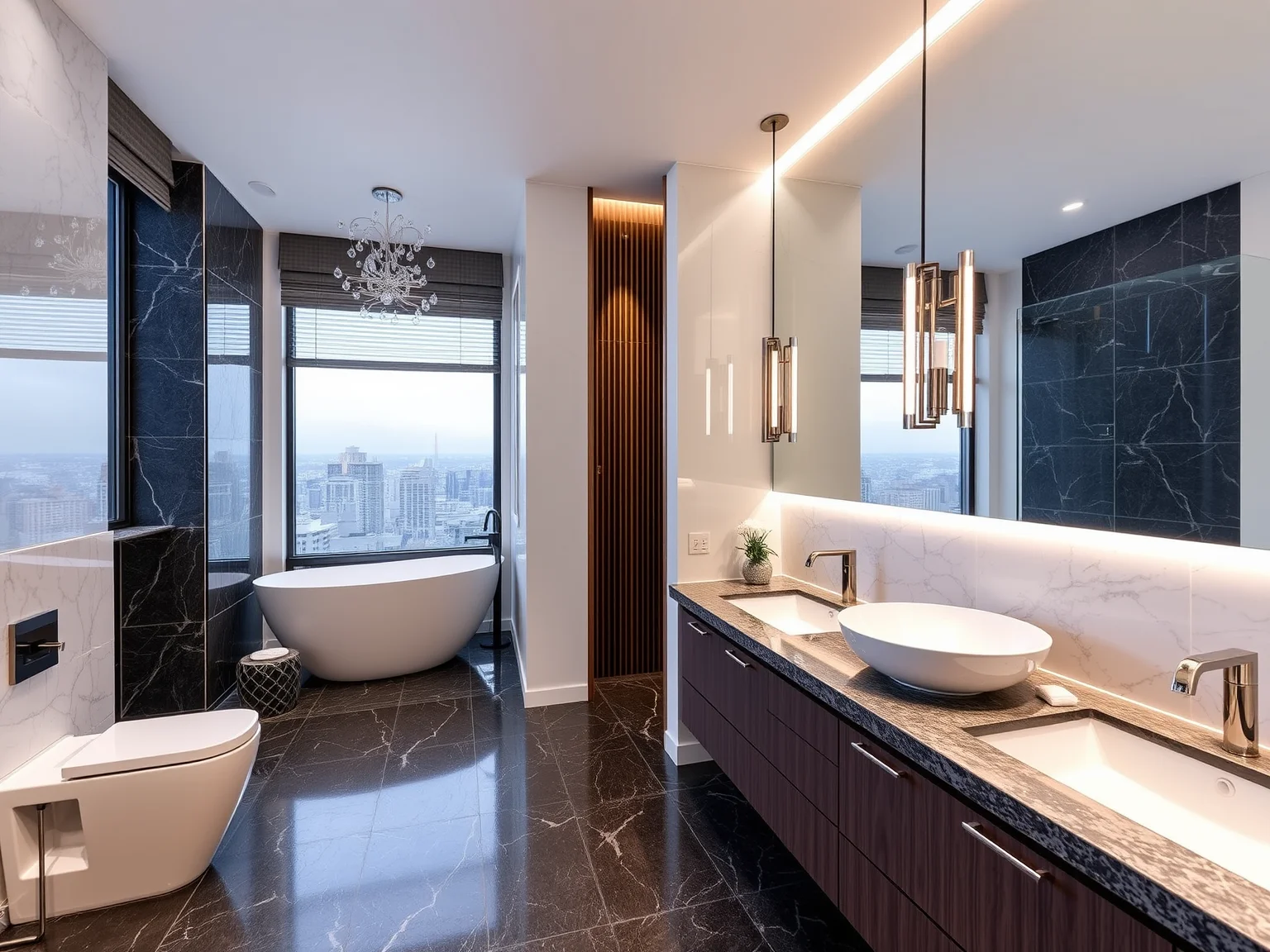
Creating a bathroom that is both functional and fashionable is essential for those seeking accessibility without compromising on aesthetics. When embarking on a project to learn how to design a wheelchair accessible bathroom, it’s vital to focus on elements that promote safety, ease of use, and modern design. The goal is to craft a space that feels welcoming and empowering, ensuring independence and comfort for users of all abilities.
Why is Proper Planning Essential for a Wheelchair Accessible Bathroom?
Good planning is the foundation of any successful accessible bathroom. A well-designed space accounts for mobility challenges while maintaining a sleek look. When you understand how to design a wheelchair accessible bathroom, you gain insights into layout optimization, fixture placement, and safety features that facilitate smooth and effortless movement. Proper planning ensures compliance with accessibility standards such as the ADA (Americans with Disabilities Act) and creates a comfortable environment for diverse needs.
What Are Key Design Elements for a Wheelchair Accessible Bathroom?
Designing an accessible bathroom involves thoughtful selection of fixtures, materials, and layout. Here are some core elements:
Open and unobstructed space: Ensure sufficient clearance—at least 60 inches in diameter—to allow for easy wheelchair maneuvering.
Lowered fixtures: Install sinks, countertops, and mirrors at accessible heights to provide ease of use for all users.
Walk-in showers with no threshold: Opt for zero-threshold showers that promote seamless entry and exit, eliminating tripping hazards.
Grab bars and support rails: Strategically place around the shower, toilet, and vanity area for safety and stability.
Non-slip flooring: Use textured, slip-resistant materials that prevent accidents even when wet.
Understanding these elements is crucial for anyone questioning how to design a wheelchair accessible bathroom. Incorporating these features not only enhances safety but also enhances the overall aesthetic appeal of the space.
How Can You Maximize Space and Style in an Accessible Bathroom?
Balancing functionality with modern design is an art. To maximize space and style, consider the following tips:
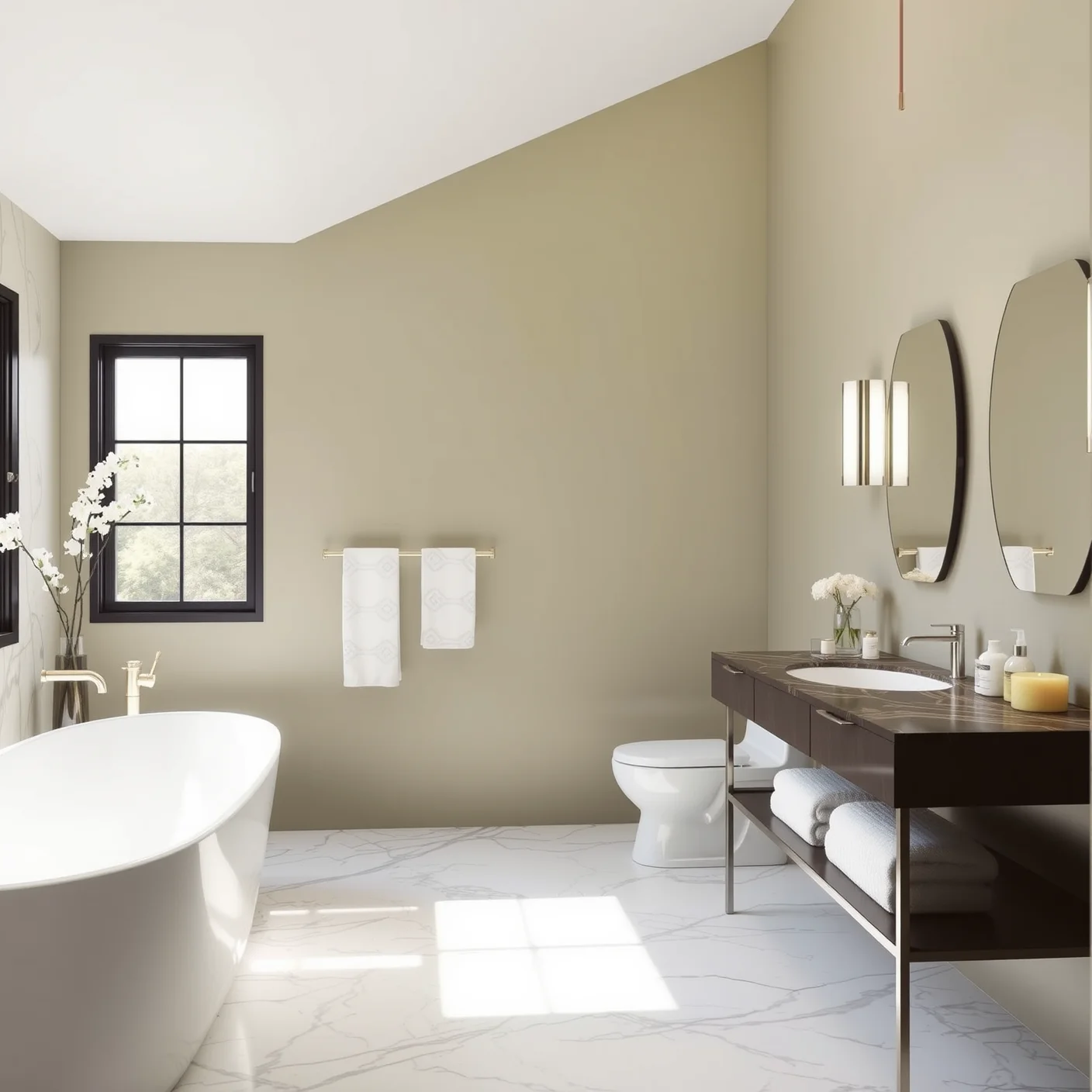
Use light-colored walls and natural lighting: Bright, airy spaces evoke a sense of openness and freshness, making the bathroom appear larger.
Incorporate sleek fixtures: Choose minimalist design fixtures with clean lines that blend seamlessly into the space, elevating style.
Smart storage solutions: Integrate recessed shelves, wall-mounted cabinets, and under-sink storage to keep the area clutter-free.
Complementary color schemes: Use complementary and calming tones to foster a soothing ambiance while emphasizing modern design.
To gain even more insights into trending bathroom designs aligned with regional aesthetics, explore regional bathroom design trends for Englewood, New Jersey.
What Are Common Challenges When Designing a Wheelchair Accessible Bathroom?
Many homeowners and designers face obstacles like limited space, budget constraints, or outdated plumbing. Here are solutions to some common challenges:
Limited space: Opt for compact fixtures and consider removing non-structural walls to expand the layout.
Retrofitting older bathrooms: Work with experienced contractors to upgrade existing plumbing and install accessible features efficiently. To explore comprehensive remodeling options, review bathroom remodel upgrade services.
Balancing safety and aesthetics: Choose fixtures and design elements that are both secure and stylish, ensuring the space doesn't feel clinical or uninviting.
How to Ensure That Your Bathroom Meets Accessibility Standards?
Compliance with standards like the ADA is essential for safety and legal reasons. To achieve this:
Consult with professionals: Work with experienced contractors who understand accessibility regulations and design principles.
Follow clearance guidelines: Maintain the recommended clearances for wheelchairs and ease of access.
Incorporate adaptive fixtures: Look into adjustable-height vanities, lever handles, and thermostatic mixing valves for enhanced accessibility.
For a holistic approach to remodeling, consider full-service remodeling contractors who can integrate your bathroom renovation seamlessly into your home's overall design.
How Do You Choose the Right Materials for a Durable and Stylish Wheelchair Accessible Bathroom?
Selecting the right materials is vital for durability, safety, and style:
Water-resistant flooring: Porcelain tiles, vinyl, or epoxy coatings are excellent options that withstand moisture and are easy to clean.
Corrosion-resistant fixtures: Use stainless steel, brass, or coated metals to prevent rust and wear.
Impact-resistant surfaces: Choose durable wall panels and countertops that can endure daily use without damage.
Investing in quality materials translates into a long-lasting, low-maintenance space that continues to look fresh and inviting years after renovation.
Are There Innovative Technologies That Can Improve Accessibility and Comfort?
Absolutely. Incorporating modern technology can elevate your bathroom's functionality:
Touchless fixtures: Sensors for sinks, toilets, and faucets reduce contact and promote hygiene.
Voice-activated controls: Enable voice commands for lighting, faucets, and ventilation to enhance ease of use.
Smart lighting systems: Adjustable and motion-activated lighting creates a safe environment and adds a contemporary touch.
To explore how technology can further enhance your remodeling project, visit energy-efficient bathroom upgrades.
What Are Some Practical Tips for Maintaining a Wheelchair Accessible Bathroom?
Maintenance is key to preserving safety and style:
Regularly check grab bars and support rails for stability.
Clean non-slip flooring to prevent buildup of mold and residue.
Avoid clutter to ensure pathways remain unobstructed.
Inspect plumbing fixtures periodically for leaks or malfunctions.
By staying proactive, you ensure your bathroom continues to serve its purpose effectively while remaining visually appealing.
Conclusion: Embrace the Power of Thoughtful Design
Learning how to design a wheelchair accessible bathroom involves a harmonious blend of accessibility principles, innovative features, and aesthetic sensibility. Your bathroom should be a sanctuary that promotes independence, safety, and style. Collaborating with professional remodeling experts ensures your vision becomes a reality—an inclusive space that welcomes everyone with warmth and sophistication.
For more valuable insights tailored to your remodeling needs, consider exploring comprehensive services and expert guidance. Your perfect accessible bathroom is within reach, waiting to transform your daily routines into moments of comfort and beauty.